Ask ten local business owners what they’ve tried for social media marketing and nine of them will tell you the same story: they boosted a post, spent some money, got a handful of likes, and then nothing happened. No new calls. No new faces walking in. Just a number on a screen that didn’t connect to anything real.
So they concluded that social media doesn’t work for local businesses. That’s the wrong conclusion. What they discovered is that boosting posts doesn’t work. Those are not the same thing.
Local social media marketing, done properly, is one of the most effective tools a brick-and-mortar business has access to right now. The gap between what most businesses do and what actually works is wide enough to drive a truck through.
What Local Social Media Marketing Actually Is
Generic social media marketing is built around content: you post something, and whoever follows you sees it. Your reach is limited to people who already know your business exists, plus whatever organic spread the algorithm decides to give you.
Local social media marketing is built around targeting. Instead of broadcasting to a general audience and hoping the right people see it, you define exactly who should see your content based on where they live, what they’re interested in, and how they’ve interacted with your business before. The platform delivers your message to that specific group, not to the internet at large.
For a local business, this distinction matters more than almost anything else in marketing. A dental practice in Naperville, Illinois has no use for impressions in Phoenix. A chiropractic clinic in Marietta doesn’t benefit from engagement from someone three states away. Local social media marketing is specifically designed to concentrate your presence where it counts: in the area where your potential customers actually live.
How Geographic Targeting Works
Facebook and Instagram (both part of Meta’s advertising platform) offer some of the most precise local targeting available to small businesses today.
At the most basic level, you can define a geographic radius around your business address. One mile, five miles, fifteen miles. The platform will only show your ads to people within that boundary. For most brick-and-mortar businesses, this alone is a significant improvement over a boosted post, which goes to your followers plus a loosely defined audience that the platform picks on your behalf.
Beyond a simple radius, you can target by specific zip codes, cities, or even neighborhoods. If your auto repair shop draws most of its customers from two or three surrounding zip codes, you can concentrate your entire budget on exactly those areas and ignore everyone else.
You can also use exclusion targeting, telling the platform to show your ads everywhere within your radius except certain areas you know don’t convert. A business near a city boundary, for example, might exclude the zip codes across the line that are technically within the radius but are served by a competitor.
How Interest-Based Targeting Works
Geography tells the platform where your audience lives. Interest-based targeting tells it who among those residents is most likely to need what you offer.
Meta builds detailed interest profiles for its users based on what they engage with, the pages they follow, the links they click, and the purchases they make. As an advertiser, you can layer those interests on top of your geographic targeting.
A chiropractic clinic might target people within ten miles who have shown interest in back pain relief, fitness, or physical therapy. An HVAC company might target homeowners within their service area who have engaged with home improvement content. A dental practice might target parents in their city, knowing that families are more likely to be actively looking for a dental provider.
The result is a much smaller, much more relevant audience. Your ads go to the residents most likely to need your service, not to every person inside the radius regardless of fit.
You can also use custom audiences, uploading your existing customer list and showing ads specifically to people on it. Or lookalike audiences, where the platform finds new people who share characteristics with your existing customers. Both are layers of precision that a boosted post cannot access.
Why Boosted Posts Underperform
When you boost a post, you hand the wheel to the platform’s algorithm and tell it to optimize for engagement: likes, comments, shares, clicks. The algorithm is very good at this. It will find the people most likely to tap a button.
But engagement and new customer acquisition are not the same objective, and the platform does not know the difference unless you tell it. A boosted post on a Facebook business page is almost always optimized for the cheapest engagement, which means it reaches the broadest, least qualified version of your audience. You get activity. You don’t necessarily get business.
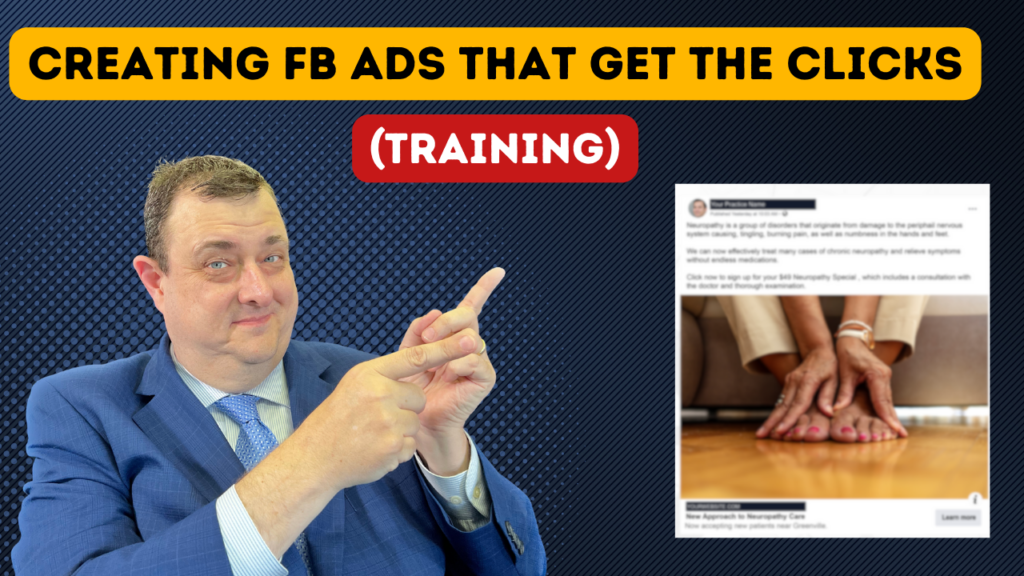
Proper local social media campaigns are built inside Meta’s Ads Manager, not the Boost button. That’s where you set the actual objective: reach, conversions, lead generation. That’s where you control the audience with the precision described above. That’s where you set frequency caps so the same person sees your content enough times to remember you, without being shown it so often it becomes noise. That’s where you build the retargeting layers that bring back website visitors and warm prospects.
The boost button is designed to be easy. Easy and effective are not always the same thing.
What Good Local Social Media Marketing Is Actually Trying to Do
Here is the piece that most businesses miss entirely: the goal of local social media marketing is not to get someone to click today. It is to get someone to remember you when they need you next month.
Most people who see your ad on any given day do not need your service right now. That is normal. But if they see your business consistently, in their feed, over the course of several months, something happens that no single ad can produce: familiarity. They start to feel like they know you. Your name becomes the one they think of first when the time comes.
This is the distinction between marketing that chases and marketing that builds. A campaign optimized purely for clicks will chase the small percentage of people who need you today. A campaign built around consistent local presence works on everyone within your radius, including the much larger group who will need you eventually.
The businesses that understand this shift from “get a click” to “become familiar” are the ones that find social media genuinely compounds over time. Six months in, they are not starting from zero with every new campaign. They are working with an audience that has already seen them, already has some recognition, and is already partway there.
How The Customer Factory Approaches This
The Customer Factory specializes in exactly this kind of marketing for local brick-and-mortar and in-home service businesses across the United States. The Social Publicity™ program is built around consistent, targeted local presence on social media, not one-off campaigns, not boosted posts, and not content that asks the owner to show up on camera.
The targeting is geographic and interest-based from the start. The goal is not clicks; it is repeated visibility in the community where a business operates, building the familiarity and trust that make a business the obvious local choice over time.
For a local business owner who doesn’t want to become a social media manager, Social Publicity™ handles the entire program. The business shows up in front of the right local residents consistently, month after month, without the owner having to manage a single campaign.
Need more details on how Social Publicity™ works? Click here The Customer Factory.
FAQ
What is the difference between local social media marketing and regular social media marketing?
Regular social media marketing typically targets broad audiences by interest, behavior, or follower base. Local social media marketing layers geographic targeting on top, concentrating your reach on people who actually live and work near your business. For brick-and-mortar businesses, that geographic precision is what makes the difference between impressions that matter and impressions that don’t.
Why don’t boosted posts work well for local businesses?
Boosted posts optimize for engagement, not customer acquisition. They also give you limited control over who sees your content and how often. Proper local campaigns built in Meta Ads Manager let you set real objectives, define a precise local audience, and control frequency so your business builds familiarity with the right people over time.
How small of an area can I target with Facebook or Instagram ads?
You can target a radius as small as one mile from a specific address, or define an audience by specific zip codes and neighborhoods. For most local service businesses, a five to fifteen mile radius covers the realistic service area, though the right boundary depends on the business type and location.
How long does it take for local social media marketing to show results?
Immediate results in the form of clicks or inquiries can appear quickly. But the deeper benefit of local social media marketing, the buildup of familiarity and recognition in your community, develops over months of consistent presence. Businesses that stay consistent for six months or more tend to see compounding returns that shorter campaigns cannot produce.
Does The Customer Factory manage social media ads for local businesses?
Yes. The Customer Factory’s Social Publicity™ program is a done-for-you local social media marketing program for brick-and-mortar and in-home service businesses. It handles targeting, creative, campaign management, and ongoing optimization, so the business owner does not have to.